The router
The bright core is the router. Every question passes through it, and the wire sphere around it is the ad blocker.
 Ilan LenznerAI developer · design engineer
Every device on a network keeps asking the internet for directions, thousands of times a day. I built the router that sees every one of those requests, and a real-time 3D view that turns the traffic into light.
This is the real thing, running in your browser on a recorded day from my house. Drag the screen to turn it, and use the phone to switch between live and the last 24 hours.
How to read it
The bright core is the router. Every question passes through it, and the wire sphere around it is the ad blocker.
Each device on the network gets its own star on the inner sphere: computers up high, phones in the middle, TVs below, gadgets at the bottom.
The outer shell is where the questions go: Google, Apple, Netflix and the rest, each placed near the devices that use it most.
An ad or a tracker flies in red and bursts on the shield. On this network that's about one request in three.
It started with a router
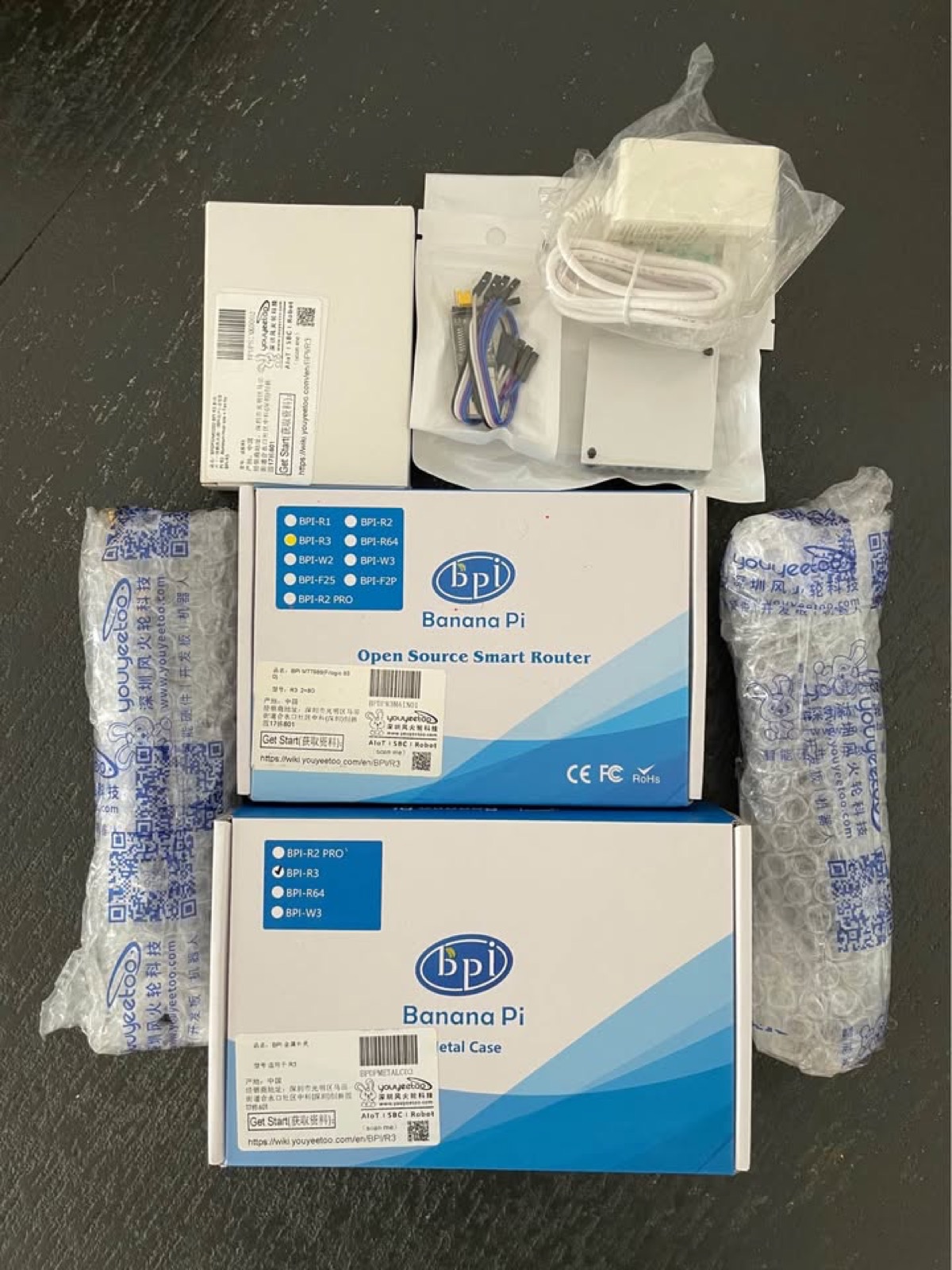
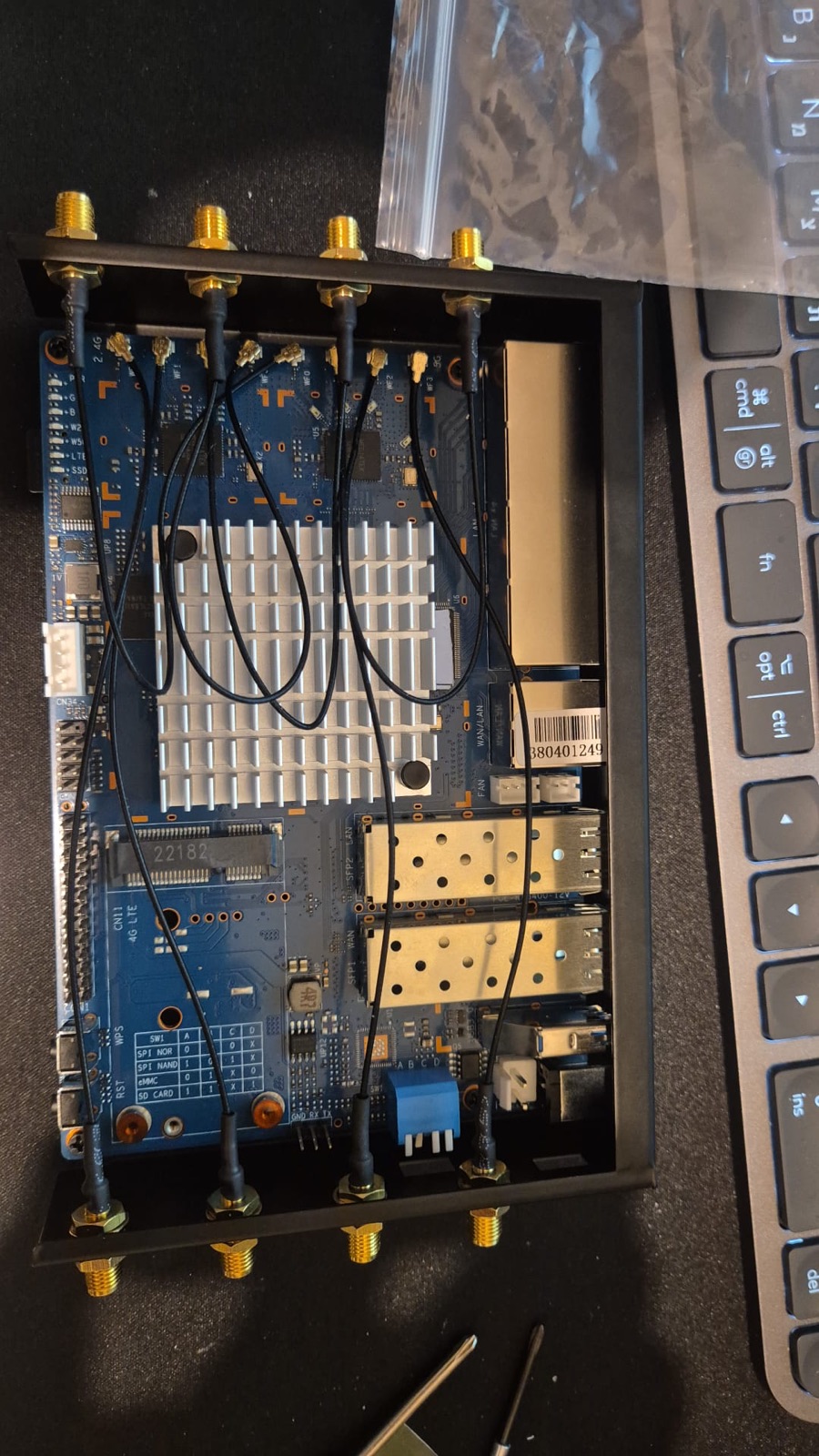
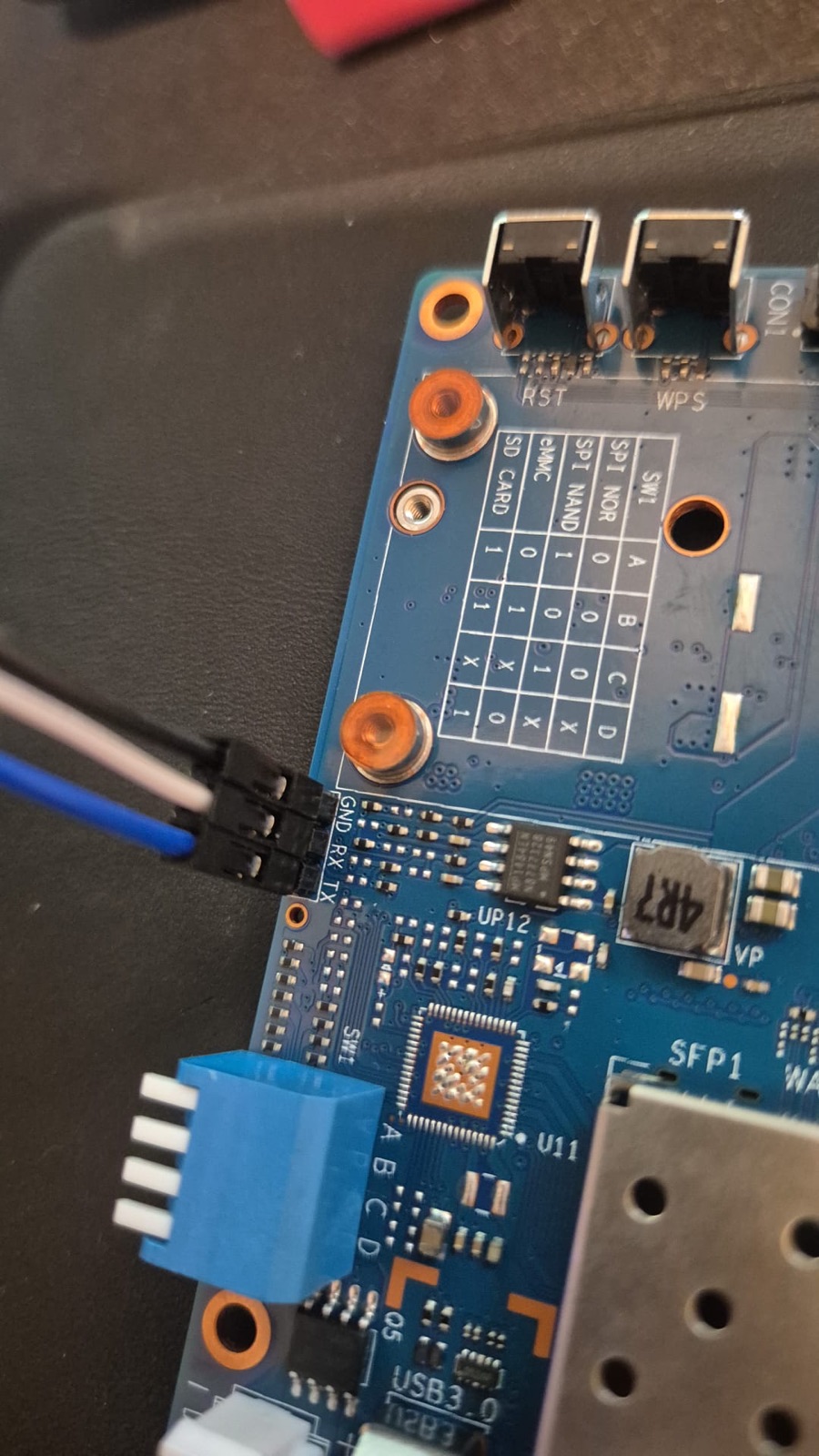
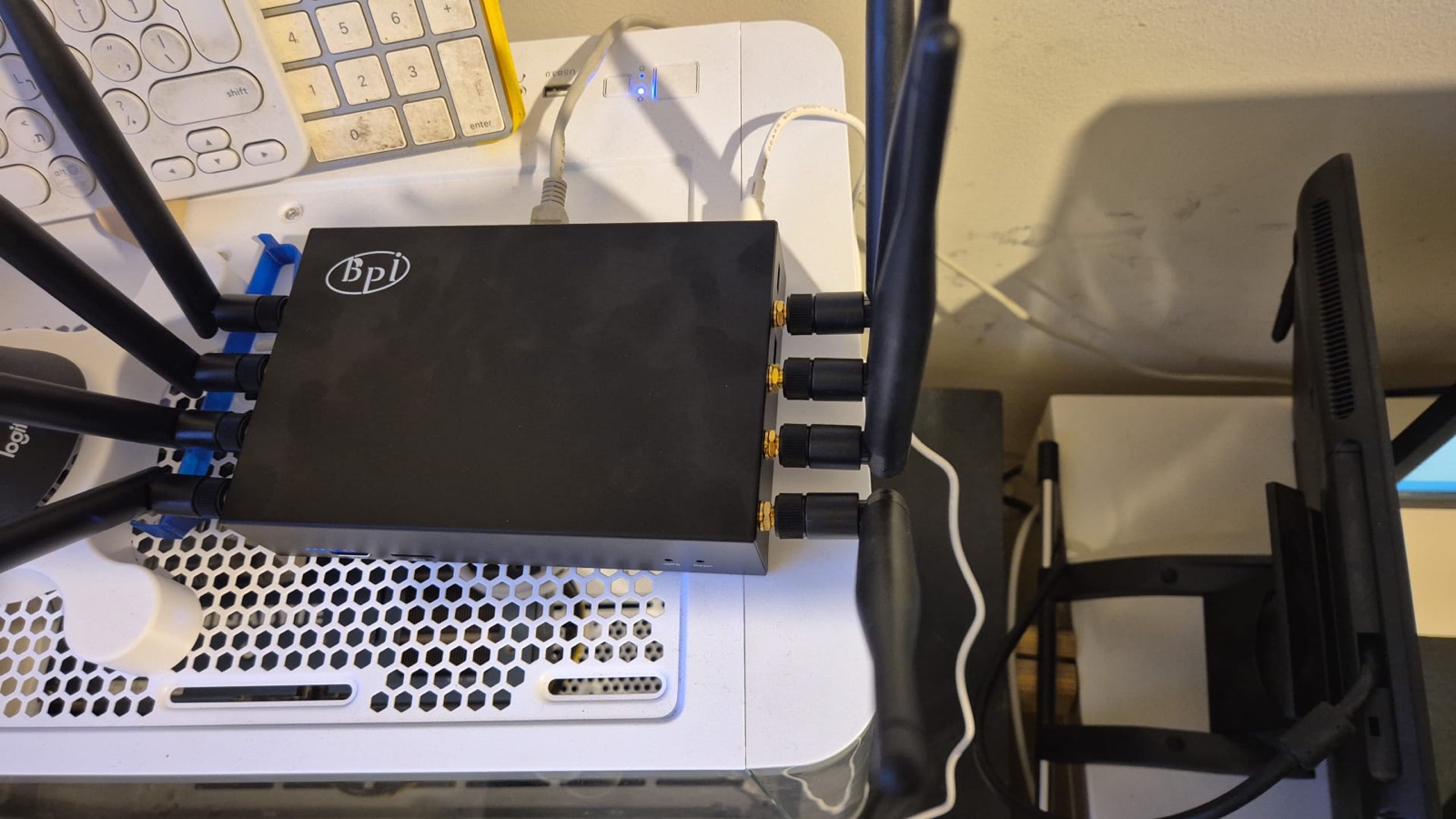
The house router was a closed box I couldn't look inside. So I built one: a Banana Pi R3, flashed to OpenWrt over its serial console. It now blocks ads for the whole house, tells me on Telegram when a device I don't know joins, logs every internet outage, and backs itself up every Sunday.
From logs to light
Live shows the house right now. The replay plays the whole past day in a minute, with a comet on the outer ring marking the hour, so you see the house wake up, go quiet at night and come back in the morning.
Phones change addresses all the time, so names are stored on the router against the hardware address. Give a device a name in the phone app and it shows up on the screen, the router's dashboard and the Telegram alerts.
Where the AI comes in
The next step is a nightly summary in plain Hebrew: what happened, and three things worth checking. It has to run on the Pi, so none of this traffic leaves the network to be analysed. Before building it, I tested the idea on a real day of logs.
It gave the same generic advice for every device and missed the one thing I had planted to catch it: a fake device talking to invented domains all night.
It flagged the planted device as unknown and possibly an intrusion, without inventing who owns it. It also found the busiest device in the house and its night-time habits.
Its top finding was "Netflix is blocked on a TV". It wasn't: only Netflix's logging was. My summary had folded every address into its domain, so the model never saw the difference.
What the model can know is limited to what you choose to show it. The fix wasn't a bigger model. It was a better summary.
Built with
The demo above runs on one recorded day. Device names are generic and addresses are made up; the timing, the brands and what got blocked are real.